
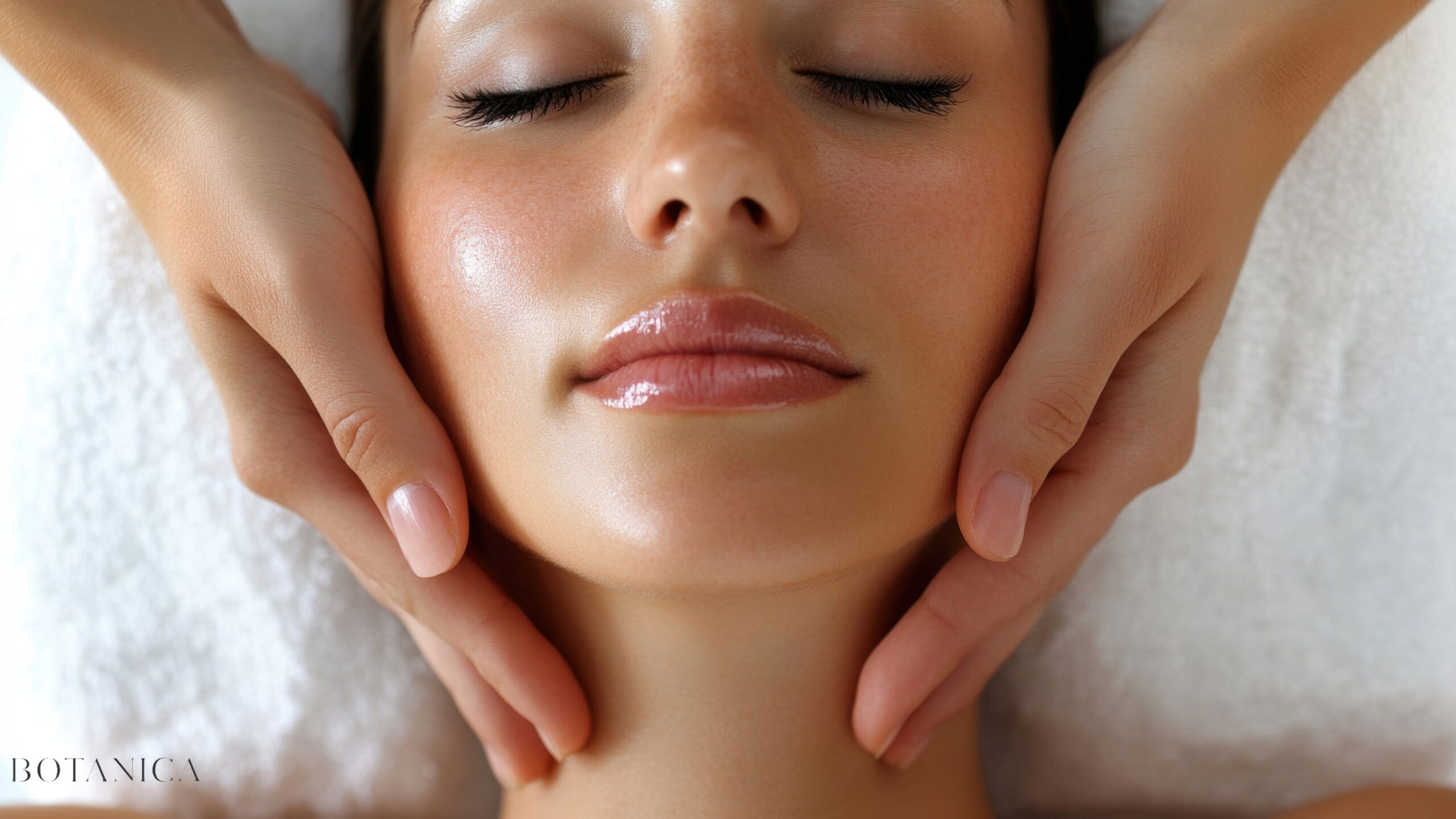
How Your Skin Type Can Change Over Time
Everybody knows that your skin changes as you age. However, while we know that we’ll develop wrinkles and loss of collagen over time, it’s less known that your skin type can change as well. Yes, you read that right. Even if you’ve had oily skin your whole life, you may develop dry skin one day and newfound sensitivities, too.
This type of change often comes as a surprise, and if you’ve spent your whole life learning how to manage one skin type only to wake up morning with completely different needs, it can feel like a cruel joke from the universe. After all, what works for combination skin may not work for those with sensitive skin types. Ugh…
Your skin can change for a myriad of reasons including age, environment, hormones, and even stress levels. If you suspect your skin type is changing, or if you simply want to understand why this can happen to prepare yourself for any future chances your skin type may change, look no further. Below, we compiled all the answers to decipher why this happens, what some specific changes could mean, and what you can do to adjust your routine to maintain healthy skin.
How Your Skin Type Can Change
Your skin type can change over time due to environmental factors, age, hormones, and other health-related issues. Yes, your skin can transform from oily to dry, combination, or sensitive, but it doesn’t just happen on its own. Factors like climate can cause minor or major adjustments to your skin type.
Similar to changes in your environment, shifts in your medications, stress levels, and diet can affect how much or how little oil your skin produces. Acne is inflammation, which can be exacerbated by hormones released during stress. Acne caused by stress is usually accompanied by redness, itching, and an increased number of blackheads and whiteheads.
If it’s Oilier, it’s Likely Hormonal
Sometimes, your skin can be dry and start suddenly producing more oil. This likely means certain hormones fluctuate: Skin changes can be exacerbated by fluctuations in our hormones. Changes in hormones such as cortisol and adrenal androgens can cause changes to the sebaceous glands which can cause an increase in sebum production, causing the skin to become oily.
You Can Have Oily and Dry Skin at the Same Time
Having dry and oily skin at the same time is referred to as combination skin. For example, many people can have an oily T-zone while the rest of the face is dry. Another way you can have oily and dry skin simultaneously is if you have dehydrated, oily skin.
It’s important to hydrate throughout the day with water to keep skin naturally hydrated. Also, using products that add hydration to the skin.
Your Skincare Might Be Doing More Harm Than Good
Just because you’ve used the same products for years with success doesn’t mean you’ll always have the same results—which often happens with skin care. The products you’ve used for years can start to yield very little or no improvement. When this happens, it’s time to reevaluate your skincare and make the necessary adjustments. It’s certainly helpful to change up your routine because your skin evolves.
In fact, your skincare could be hurting your skin. Using the wrong products for your skin type can have adverse effects. The wrong skincare regimen can also throw off your skin’s pH balance.
If you are oily and use products that cause your skin to become dry, then that will result in breakouts. The same concept applies to someone who has dry skin. In other words, using a skincare routine specifically designed for dry skin works while your skin is dry. But if your skin becomes oilier, this routine will likely cause clogged pores and subsequent breakouts.
You can ramp up your skincare routine by adding an exfoliant after cleansing. This is a key step in stimulating cell turnover to maintain a healthy complexion. You should also add a toner to help rebalance and change your moisturizer to something more lightweight. This will help it to penetrate deeper into your skin to repair and replenish.
But again, it all depends on how your skin reacts. Gentle exfoliation should be included in your routine, but it’s crucial to exfoliate no more than 2-3 times a week. Excessive exfoliation leads to stripped, dry skin, and in certain cases, the skin can try to overcompensate by sebaceous glands trying to work harder to produce more sebum, thus, in turn, becoming oily again.
Your Skin May Change Again
Your skin becoming oilier once doesn’t mean it won’t revert again. A host of factors influences our skin type, and it’s not always easy to predict what it’s going to do. You need to learn what it needs now while it’s in flux. If your skin type changes, it’s time to explore and learn what products and treatment works best for your skin as it goes through the transition. The first step is putting together a skincare routine. It’s important to know what products to use and the order in which they should be used.
You Can Keep Adjusting Your Routine to Compensate
Of course, if you suspect your skincare routine may be doing your skin more harm than good, head over to a professional esthetician for a facial and skin consultation. The most important thing is that you listen to your skin. Ensure you’re adapting your skincare routine to support whatever your skin needs now—not what it needed before and not what you want it to need in the future. Book your facial with Botanica today at 727-441-1711 or online!


Leave a Reply