
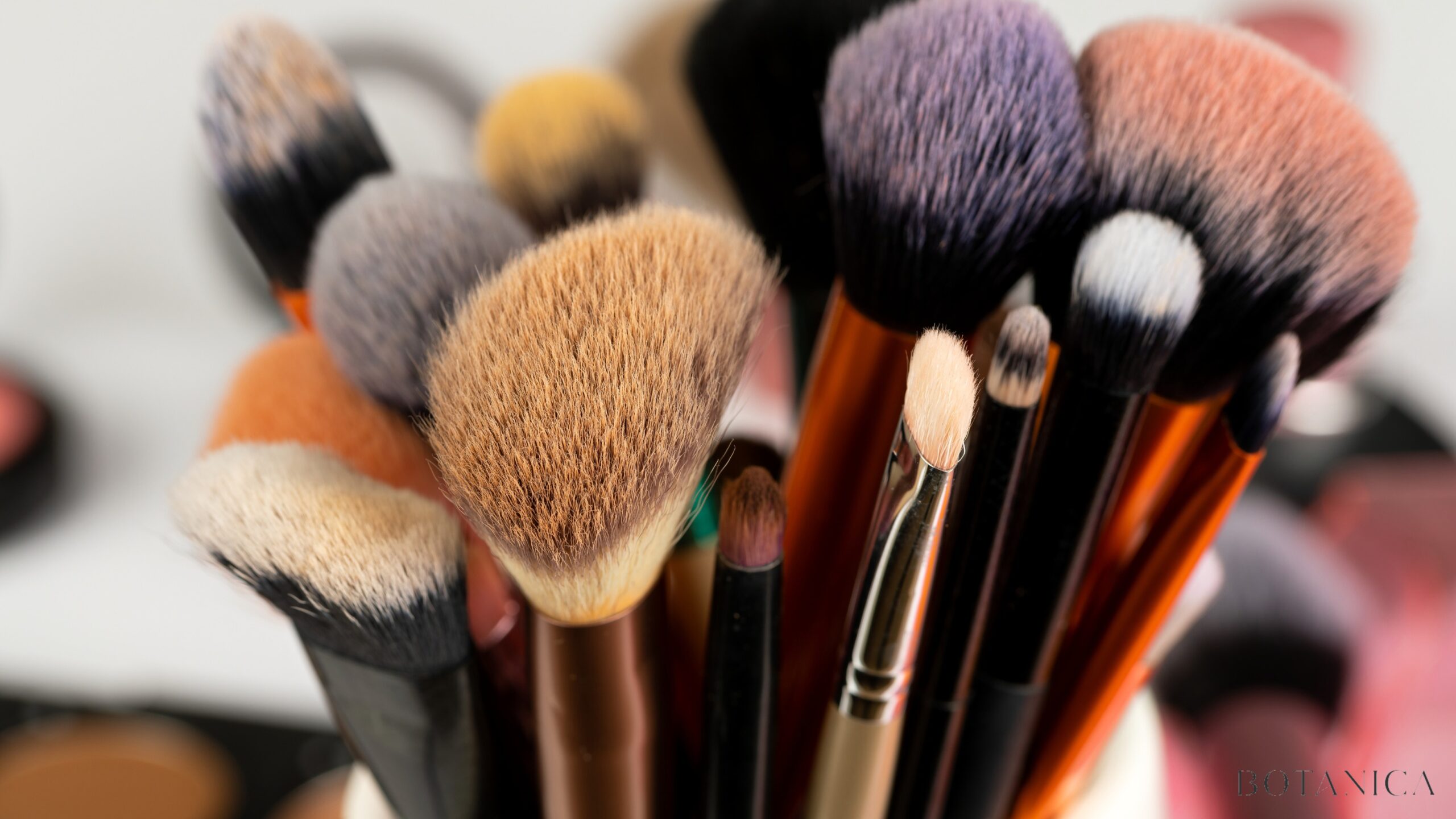
Are Dirty Makeup Brushes Really That Bad for Your Skin?
Putting on makeup can be a mindless and even self-indulgent task. You sort through your makeup bag and think to yourself a swipe of product here or there might be in the cards for you today. But when it comes to your makeup brushes and their maintenance? That’s an easy thing to forget about completely.
You might not notice how dirty your brushes have gotten until they don’t work as well, and by then, we’re sorry to say, they’re way too gross to be safe. We go over the dangers of dirty makeup brushes and what they can do to your skin. We’re confident that you’ll be cleaning them more often after reading!
The Concern With Dirty Makeup Brushes
Unfortunately, a dirty makeup brush can hold onto a lot more than just some leftover product. When it comes to makeup brushes, it cannot be stressed enough how important it is to keep them clean for maintaining healthy skin. Makeup brushes provide a fertile breeding ground for bacteria, and the sources range from your skin to your immediate environment. Everything from common skin flora such as Staphylococcus aureus and Streptococcus species to those from the gut such as E. coli, from water faucets and hot tubs such as Pseudomonas, and even fungi, can find their way onto makeup brushes and divide rapidly.
Once those bugs get there, they continue to grow. It’s alarming how easily these microbes can multiply on brushes, especially when they’re stored in damp environments or used frequently without cleaning.
Common Skin Concerns Caused by Dirty Makeup Brushes
Acne
It shouldn’t come as a surprise that the nasty critters on your brushes are transferred onto your skin with continued use. Transferring bacteria, oils, and other detritus from dirty makeup brushes promotes the clogging of pores and sebaceous ducts, amplifying the inflammatory processes leading to acne breakouts. The combination of oil, dead skin cells, and bacteria on the brushes creates the perfect environment for acne-causing bacteria to thrive. This is particularly concerning for people with sensitive or acne-prone skin—using dirty brushes can make these conditions worse.
General Irritation
You may have noticed that a dirty makeup brush doesn’t feel the same on your skin as a clean one. Beyond acne, dirty brushes can be incredibly irritating to the skin. Sebaceous glands found along hair follicles throughout the skin secrete sebum as a protective barrier to moisturize and lubricate the skin. Dirty makeup brushes interrupt this process of sebum secretion by blocking the sebaceous ducts, creating inflammation and damage to your complexion. The longer you let things go, the worse they can get. Over time, using unclean brushes can weaken your skin’s natural barrier, making it more vulnerable to irritation and infection.
How Often Should You Clean Makeup Brushes?
By now, you might be worrying that however often you’ve been cleaning your brushes, it’s not enough. If you’re like most people, that’s completely true. You should clean your makeup brushes once a week. Regular cleaning is key to preventing skin issues and ensuring that your brushes do what they’re supposed to do. When you keep your brushes clean, your makeup applies more evenly and smoothly, which makes a big difference in the overall look.
Cleaning them will also make them last longer. Cleaning your brushes positively impacts their functionality. It keeps the bristles soft and flexible, which is crucial for proper makeup application. It’s advised to clean them carefully. If they’re not cleaned properly or are left to dry in a way that distorts the bristles, it can affect how well they perform. To clean your brushes, use warm water and baby shampoo, then dry them flat, to enhance their longevity and functionality.
When Should You Just Throw Away a Brush or Sponge?
No matter how well you take care of your brushes, which we hope you’re more inspired to do now, they won’t last forever. Regular cleaning will extend their lifespan, but once the brush stops performing well, I believe it’s best to invest in a new one. Makeup brushes should be thrown away when excess residue remains despite cleaning, or the bristles have lost their original flexibility and shape. Try paying attention to the condition of your brushes. If you notice that the bristles are fraying, shedding, or losing their shape, it’s a sign that it’s time to replace them.
The Final Takeaway
Dirty makeup brushes can be harmful to your skin. They can harbor everything from E. coli to fungi, picking up bacteria and flora from the environment they’re stored in and your skin itself. In turn, they can give you acne, cause irritation, and weaken your skin’s natural barrier. Thankfully, this is easy to avoid. All you have to do is clean them once a week. A clean brush will work better and last longer. Eventually, they will need to be replaced with a high-quality, affordable brush set, but the better you take care of them the more beneficial it will be in the long run.
And if your skin is already suffering from your dirty makeup brushes, then head over to Botanica for a signature deep exfoliating facial to clear it all away!



Leave a Reply