
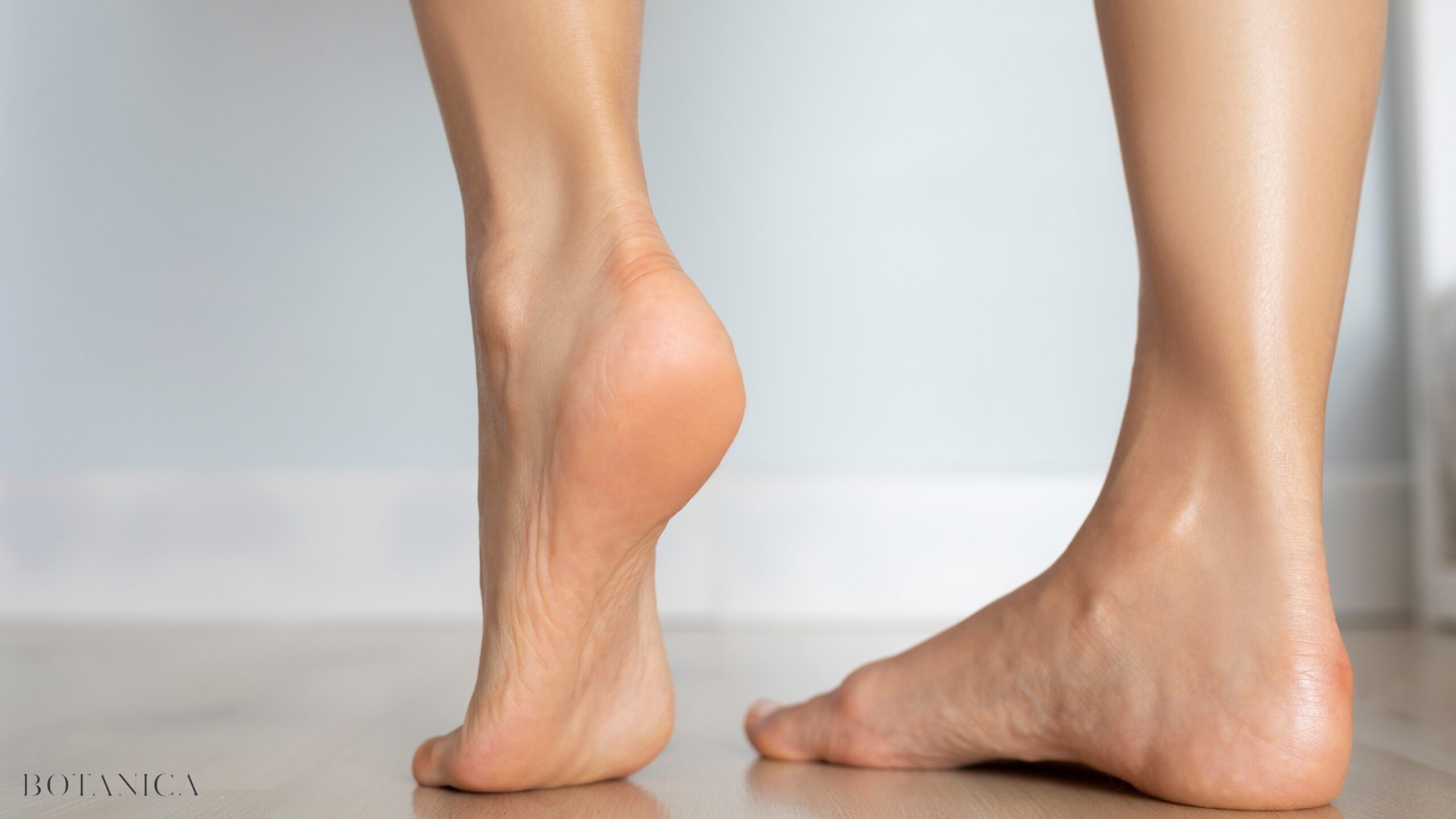
11 Inexpensive Ways to Remove Dead Skin on Your Feet
The arrival of sandal season can feel like a relief (especially after a long winter) but before the great switch from boots to sandals, you may want to take a good hard look at your feet. After months spent enclosed in shoes, it’s not uncommon to end up with feet that may have seen better (and softer) days. Ultimately, cold-weather shoes create an ideal environment for flaky feet as dead skin and calluses on the feet tend to form due to repeated friction, pressure, and rubbing. The thickened skin is a physiological response to protecting deeper structures underneath the skin’s surface, such as bones.
Technically calluses can appear just about anywhere, from the feet to the palms of the hands and the fingertips, but there’s something to be said about the particular challenge of addressing dead skin on the feet. So to find out the best way to remove stubborn calluses and dead skin, we put together a rundown of the best advice.
What Causes Dead Skin Build-Up on the Feet?
Consistent pounding and friction create both dead skin and calluses on the feet, and dryness exacerbates the issues. Over-cleansing and harsh soaps can strip the skin of important protective oils. Once those are gone, it is difficult for the feet to stay hydrated.
To treat excessive build-up, exfoliation is key. Fun fact: Your skin is always naturally exfoliating. Excess skin on or around the feet comes from this exfoliation process. Sometimes, skin does not renew as quickly as we would like it to which is why we speed up the process with scrubs and at-home remedies.
How Do I Get Rid of Thick, Dead Skin on My Feet?
Buff Dead Skin With a Pumice Stone
Pumice stones are one of the most popular methods for getting rid of calluses. For the best results, soak your feet in warm water for 15-20 minutes before gently buffing the callused area with your pumice stone. Be careful not to overdo it, as this can irritate your skin and cause soreness. If you notice your skin is getting red or starting to bleed, that’s a sign it’s time to stop.
Try Epsom Salts
You can also try adding Epsom salt to the water when you soak your feet. This softens the skin and helps with callus removal. Do this before using a pumice stone for the best and smoothest results.
Use a Salicylic Acid Pad or Peel
For a fix that doesn’t require all that much effort, you may want to try a callus pad or peel containing 40% salicylic acid. You can place one of these callus pads on your foot in the morning and leave it there all day. These work by breaking up and exfoliating away many layers of the callus. To use a salicylic acid pad, soak your foot in warm water for five minutes or so, dry it thoroughly (if your foot is wet, you may have trouble getting the pad to stick), and apply the pad.
Try Moleskin Pads to Prevent Friction
One of the simplest ways to address calluses is to prevent friction so the callus doesn’t even have the opportunity to form. Anticipate problem areas and wear a piece of moleskin on them under your socks before you give your shoes a chance to rub and create a blister or callus. Bandaids are okay in a pinch, but they don’t stick once your foot is sweaty and they can come off with mild shoe friction.
Wear Shoes That Fit
Making sure your shoes fit well is another technique that falls into the prevention category. If you’re buying running shoes, they should have about an inch of space from the longest toe. Any smaller and your toes will hit the front of the shoe, any bigger and your heel will lift and rub along the back of the shoe, eventually causing a blister or callus. Shoes that are too narrow can contribute to rubbing and calluses, too. Another tip for preventing friction is to rotate your shoes rather than wearing the same pair each day.
Try an Electric Callus Remover
A quick online search reveals a number of electric callus removers, so you definitely have options here. The Emjoi Micro Pedi #D Power Callus Remover, which contains a soft textured roller that spins 360 degrees and gently buffs away your calluses.
Try BabyFoot—the Viral Foot Peel
You’ve probably heard about Baby Foot from at least a few of your friends. If not, Baby Foot is a gel-based foot peel product. Basically, you wash your feet, put on a pair of booties filled with a peeling gel, and leave them on for an hour before washing off. Then you wait for the peeling to begin—and when we say peel, we are not kidding around.
This product can help remove dead skin, but be aware that you may not love the process involved. Just know that this product can be irritating and may make the skin on your feet shed like crazy. If you can deal with the excessive peeling, you’ll be able to say goodbye to the calluses and hello to baby-soft skin.
Draw Yourself a Warm Apple Cider Vinegar Bath
This simple DIY soak uses just three items that you may already have at home—apple cider vinegar, bread, and plastic wrap or an elastic bandage. Basically, all you need to do is soak a slice of bread in apple cider vinegar for a few hours, allowing it to form into a paste. Then you place the paste on your calluses, wrap in the bandage or plastic, and leave it overnight, allowing the magic to happen.
Sleep in Silicone Socks
Before laying down for bed, slather on some lotion and slip on some silicone socks. This traps moisture around the feet for eight hours (or however long your sleep cycle is).
This method is better used for prevention. Silicone socks alone won’t remove dead skin. More than anything, they will hydrate dry skin, which may make it easier for dead skin to slough off.
Upgrade Your Pedicure With a Paraffin Wax Treatment
A traditional pedicure includes an exfoliation step. To amp up the service, consider adding paraffin wax to your treatment. Yes, it costs extra, but trust us, it is worth it. The wax is an emollient that both softens and hydrates the skin. This helps loosen dead skin from your feet and revives dry, scaly patches. Also nice: it feels like heaven. (And Botanica offers this as part of our manicure and pedicure services!)
Keep Your Feet Moisturized
Once you’ve removed the thick, dead skin off your feet, keep the skin moisturized to prevent the dry skin from returning. After a nighttime shower, slather your feet in a hydrating cream like CeraVe’s Moisturizing Cream and put on a pair of thick socks. Your feet will be soft and hydrated come morning.
Let us know which method worked for you to remove dead skin on your feet!



Leave a Reply